Drain Repairs vs Drain Relining: Which Is Right for Your Drain?
Dealing with a damaged drain can be stressful, especially when you need to decide between traditional repair methods and newer technologies like drain relining. In Bath and the wider Somerset area, understanding these options can save you time, money, and disruption to your property.
This article will explain the key differences between conventional excavation repairs and no-dig drain relining, outline the advantages and disadvantages of each, and help you identify which approach might be best suited to your situation.
What Is Traditional Drain Repair?
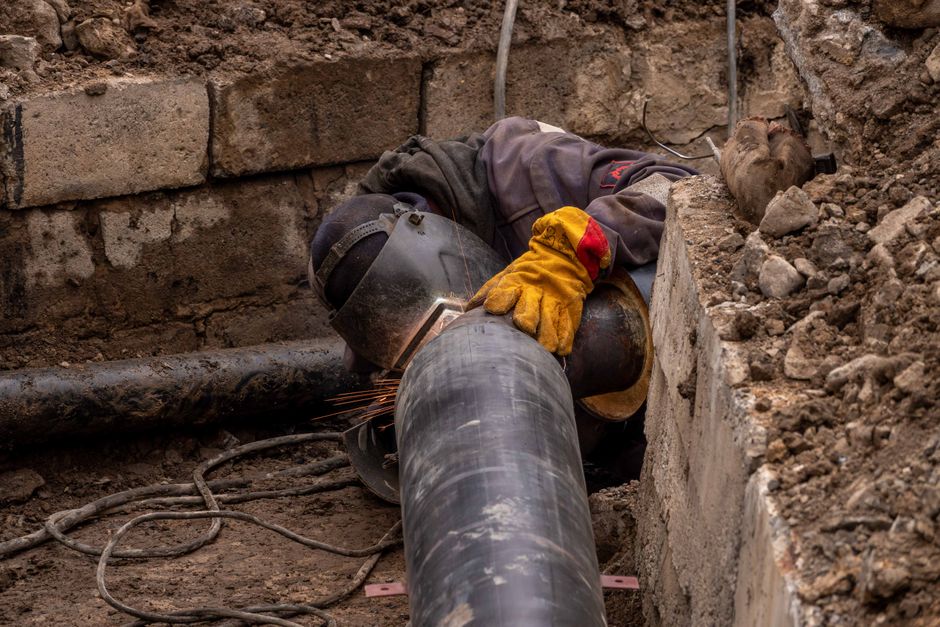
Traditional drain repair involves excavating the ground to access the damaged section of the drain pipe. This method requires digging up soil and sometimes breaking through concrete or paving to reach the problem area. Once exposed, the pipe section may be replaced, patched, or completely renewed depending on the extent of damage.
This method has been the standard approach for many years and is effective for serious damage that cannot be accessed or repaired through other means. It allows drainage specialists to physically inspect and repair the pipe using familiar techniques.
However, excavation can be disruptive and messy, particularly for properties in Bath and surrounding towns such as Keynsham or Bradford-on-Avon where older homes often have mature gardens or paved areas. Restoring the landscaping and surfaces after excavation adds time and cost to the job.
Understanding No-Dig Drain Relining
Drain relining is a trenchless technology that repairs damaged pipes from the inside without the need for excavation. This process involves inserting a flexible liner coated with resin into the existing pipe. The liner is then inflated and cured, forming a tough, seamless new pipe within the old one.
For homeowners in Somerset towns like Midsomer Norton or Radstock, this method offers a less invasive solution that preserves gardens, driveways, and patios. It also tends to be faster to complete, reducing disruption to your daily routine.
Relining is particularly suitable for addressing small cracks, leaks, root intrusions, or joint separations. However, it might not be the best option if the pipe is severely collapsed or if blockages are caused by large breaks.
Pros and Cons of Traditional Drain Repairs
One major advantage of conventional repairs is the ability to fully replace or remove damaged sections, which can be necessary for severe pipe failures. This ensures structural integrity is restored completely, which can be reassuring for owners of older properties in Bath and areas like Saltford or Peasedown St John.
On the downside, excavation can be costly and time-consuming. The process disrupts your garden and property, potentially requiring additional landscaping or paving work afterward. Noise, dust, and heavy machinery use might also be concerns, particularly in more built-up areas.
Moreover, traditional repairs are weather-dependent; wet or frozen ground conditions in Somerset's climate can delay work. Despite these drawbacks, some drainage issues simply cannot be fixed without digging.
Pros and Cons of Drain Relining
Drain relining offers considerable benefits, especially in towns like Corsham or Batheaston where preserving garden aesthetics is important. It is minimally disruptive, often completed within a day or two, with no need to dig up plants or driveways.
It also tends to be more environmentally friendly, producing less waste and reducing the carbon footprint associated with excavation equipment.
However, relining is not a universal solution. Pipes that are extensively damaged, collapsed, or blocked with large debris may not be suitable candidates. Furthermore, the cost of relining materials and specialist labour can sometimes be higher than simple patch repairs, though this is often offset by shorter project times and less restoration work.
Relining also requires a professionally conducted CCTV survey beforehand to ensure that the liner can pass through the existing pipe and that no major obstructions exist.
How to Decide Which Option Suits Your Drain
Choosing between traditional repair and drain relining depends on various factors, including the degree of damage, pipe material, location, and your property’s specific circumstances in Somerset.
A thorough CCTV drain survey is an essential first step. This inspection helps identify the exact issue, its location, and the pipe’s condition. Many drainage companies operating in Bath and nearby towns like Trowbridge or Melksham offer this service.
If the damage is superficial or involves minor cracks and leaks, relining is often the preferred choice due to its efficiency and reduced disruption. For collapsed pipes, large fractures, or complex blockages, traditional excavation repair may be unavoidable.
Consider also your priorities—whether you want to minimise garden disruption, need a faster fix, or have historical or hard landscaping that would be costly to reinstate after digging. Consulting with a local drainage expert familiar with Somerset’s soils and property types can help guide the best solution.
Local Factors Impacting Drain Repair Choices in Bath and Somerset
The geology and age of properties in Bath and surrounding Somerset towns can influence drainage problems and repair approaches. Older stone and brick drainage systems, common in places like Norton St Philip or Bradford-on-Avon, may be more prone to joint displacement or root ingress, making relining a practical option to avoid damaging heritage features.
In rural or semi-rural areas such as Peasedown St John or Radstock, deeper drains under compacted soils might require excavation to reach, although this presents challenges due to groundwater or heavy clay soils common in the region.
Urban settings within Bath itself might favour relining because of limited access and the desire to preserve patios or driveways. Conversely, new builds or properties with accessible drainage runs may be more straightforward candidates for traditional repairs.
Ultimately, understanding the local context helps in choosing the most effective and least disruptive solution.
Maintaining Your Drainage System After Repair or Relining
Regardless of the repair type, regular maintenance is key to prolonging the lifespan of your drainage system. Somerset homeowners can benefit from routine inspections, particularly if their property is surrounded by mature trees known to cause root intrusion.
Simple steps such as avoiding flushing unsuitable items, ensuring guttering directs rainwater away from drains, and scheduling periodic professional drain cleans can prevent future issues.
After repairs or relining, having your drains checked annually by a qualified drainage company can help detect minor problems early. This proactive approach reduces the chances of costly emergency repairs or further excavation.
Need a drainage expert in Bath?
Call 01225 684549